


- 07 Sep, 2021
- Hans Education
- One comment
USA–Iran War Situation: Global Tensions, Causes, and Possible Outcomes (2026)
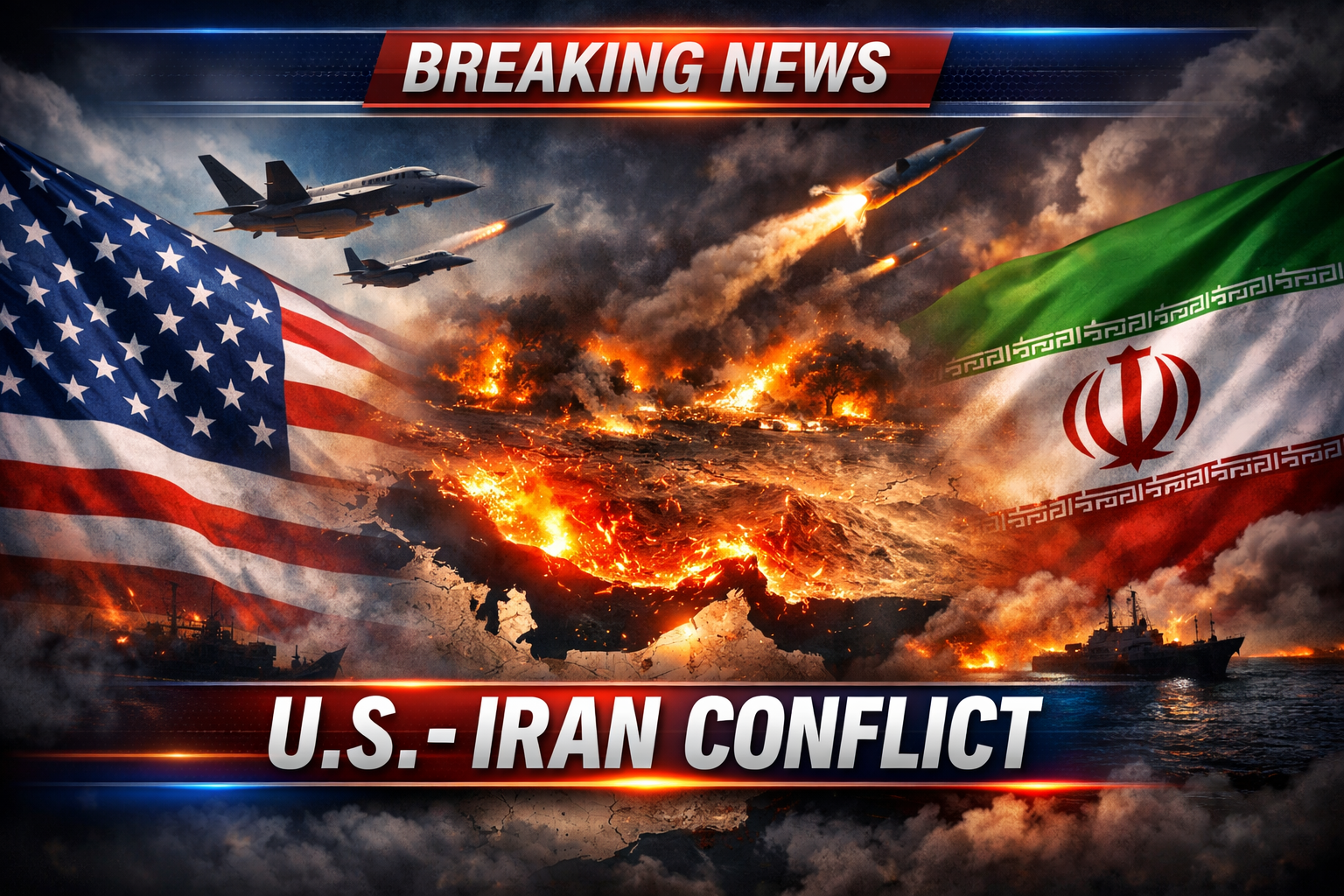
The growing tensions between the United States and Iran have once again captured global attention. The relationship between these two countries has been complicated for decades, shaped by political disagreements, security concerns, and regional power struggles. In 2026, the situation has escalated significantly, raising fears of a wider conflict that could impact not only the Middle East but also the global economy and international security.
This article explains the background of the conflict, recent developments, the role of international actors, economic consequences, and possible future outcomes.
Historical Background of the USA–Iran Conflict
The tensions between the United States and Iran did not start recently. The roots of the conflict go back to the late 20th century. After political changes in Iran in 1979, relations between the two countries deteriorated rapidly. Diplomatic ties were broken, and mistrust h
The United States has often expressed concern that Iran’s nuclear development could lead to the creation of nuclear weapons. Iran, however, maintains that its nuclear program is intended for peaceful purposes such as energy production and scientific research.
These disagreements have resulted in multiple rounds of economic sanctions, diplomatic negotiations, and military tensions over the decades.
Recent Escalation of the Conflict
In early 2026, tensions increased dramatically after a series of military incidents and strategic strikes. Reports suggest that military operations targeted key strategic locations connected to defense infrastructure and regional security operations.
These developments led to a cycle of retaliation. Both sides have increased military readiness and strengthened their positions in the region. Military bases, naval deployments, and air defense systems have been activated as each side attempts to deter further escalation.
The situation has created serious concerns among international leaders who fear that continued escalation could turn into a larger regional war.
Strategic Importance of the Middle East
The Middle East plays a major role in global geopolitics, and conflicts in this region often have worldwide consequences. Iran occupies a particularly strategic geographic position, especially near the Strait of Hormuz.
The Strait of Hormuz is one of the most important oil shipping routes in the world. A large percentage of the world’s oil supply passes through this narrow waterway every day. Any disruption in this region could affect global energy markets.
Because of this strategic importance, many countries closely monitor the situation. If shipping routes become unsafe, oil prices could rise sharply, affecting transportation costs, electricity prices, and economic stability worldwide.
Role of Regional Powers
Several countries in the Middle East have strong interests in the outcome of the conflict. Regional security alliances and political rivalries make the situation more complex.
For example, the Israel has long viewed Iran as a security concern due to its military capabilities and regional influence. Israel and the United States have often cooperated on defense strategies related to regional security.
Other countries in the region are also closely watching the situation, including Gulf nations whose economies depend heavily on stable oil exports. Any prolonged conflict could threaten economic stability across the region.
Because of these risks, many regional governments are urging caution and diplomatic engagement.
Military Capabilities and Strategic Balance
Both the United States and Iran possess significant military capabilities, although they differ in structure and scale.
The United States maintains one of the most advanced military forces in the world. Its capabilities include:
- Advanced fighter aircraft
- Naval fleets and aircraft carriers
- Precision missile systems
- Global surveillance technology
Iran, while having a smaller military budget, has developed strong defensive capabilities and regional strategies. These include:
- Missile systems designed for regional defense
- Drone technology
- Naval units in the Persian Gulf
- Regional alliances and influence
This balance of power means that even limited confrontations can quickly escalate into broader military engagements.
Economic Impact of the Conflict
One of the most immediate effects of geopolitical tensions is economic uncertainty. When conflicts involve major energy-producing regions, the global economy often reacts quickly.
Several economic consequences may arise from the ongoing tensions:
Rising Oil Prices
Because the Middle East supplies a large portion of global oil, any disruption in shipping routes or production facilities can cause oil prices to increase.
Higher oil prices can lead to:
- Increased transportation costs
- Higher fuel prices
- Rising production costs for industries
Financial Market Volatility
Stock markets often respond quickly to geopolitical risks. Investors tend to move money into safer assets when uncertainty increases.
Global Trade Concerns
If shipping routes in the Persian Gulf become unstable, international trade could slow down. This would affect supply chains across multiple industries.
These economic pressures make it important for global leaders to manage the situation carefully.
Whenever conflicts escalate, civilians often face the greatest challenges. International organizations monitor situations like this to ensure that humanitarian assistance can reach affected populations if necessary.
Potential humanitarian issues include:
- Displacement of local populations
- Damage to infrastructure
- Interruptions to essential services such as electricity and healthcare
Organizations such as the United Nations often call for peaceful negotiations and the protection of civilian populations during conflicts.
Humanitarian diplomacy plays an important role in preventing long-term suffering in conflict zones.
Diplomatic Efforts and Negotiations
Despite rising tensions, diplomatic efforts are ongoing. Several countries and international organizations have encouraged dialogue between the United States and Iran.
Diplomatic negotiations often focus on key issues such as:
- Nuclear development agreements
- Sanctions relief
- Regional security arrangements
- Confidence-building measures between both sides
Diplomacy can take place through direct talks or through international mediators. Historically, negotiations have sometimes reduced tensions, even if they did not fully resolve all disagreements.
Many experts believe that diplomatic engagement remains the most effective way to prevent further escalation.
Impact on Global Politics
The USA–Iran conflict also affects global political alliances. Many countries must carefully balance their relationships with both sides.
Some governments support strong security measures to prevent nuclear proliferation. Others emphasize diplomatic solutions and economic cooperation.
International alliances, trade partnerships, and defense agreements can all influence how countries respond to the conflict.
As a result, this situation is not only a regional issue but also a major factor in global political strategy.
Media and Public Awareness
Modern conflicts are closely followed by global media and online platforms. News reports, analysis, and expert commentary help the public understand complex geopolitical developments.
However, it is also important for readers to rely on reliable and verified information sources. Accurate reporting helps prevent misunderstandings and unnecessary panic.
Educational awareness about international relations allows citizens to better understand how global events can affect daily life, from fuel prices to international travel.
Possible Future Scenarios
Experts often discuss several possible outcomes for conflicts like this. While it is impossible to predict the future with certainty, analysts generally consider three main scenarios.
1. Diplomatic Resolution
The best-case scenario involves negotiations that reduce tensions and establish agreements addressing key concerns. This could include revised nuclear agreements or security arrangements.
2. Prolonged Tension
In this scenario, tensions continue without full-scale war. Military forces remain on high alert, but diplomacy prevents direct conflict.
3. Regional Escalation
The most serious scenario would involve a broader regional conflict involving multiple countries. This outcome would likely have major global economic and political consequences.
International leaders are working to prevent this third scenario.
Importance of Peaceful Solutions
Throughout history, diplomacy has often proven more effective than prolonged conflict. International cooperation, negotiations, and dialogue can help resolve disputes while protecting civilian populations and global stability.
Educational awareness, responsible leadership, and international cooperation play important roles in preventing escalation.
The tensions between the United States and Iran represent one of the most significant geopolitical challenges of 2026. The situation involves complex historical disagreements, regional power dynamics, and global economic concerns.
While military developments have raised concerns about potential escalation, diplomatic efforts continue to seek peaceful solutions. The international community, including organizations such as the United Nations, is closely monitoring the situation and encouraging dialogue.
The coming months will be crucial in determining whether the situation moves toward negotiation and stability or continues to generate uncertainty in global politics.
Understanding the background and implications of this conflict helps readers stay informed about one of the most important international issues affecting the world today.

Es muy fácil