


- 10 Oct, 2021
- Hans Education
- No comment
Iran War Day 14: Key Developments as US-Israel Attacks Continue
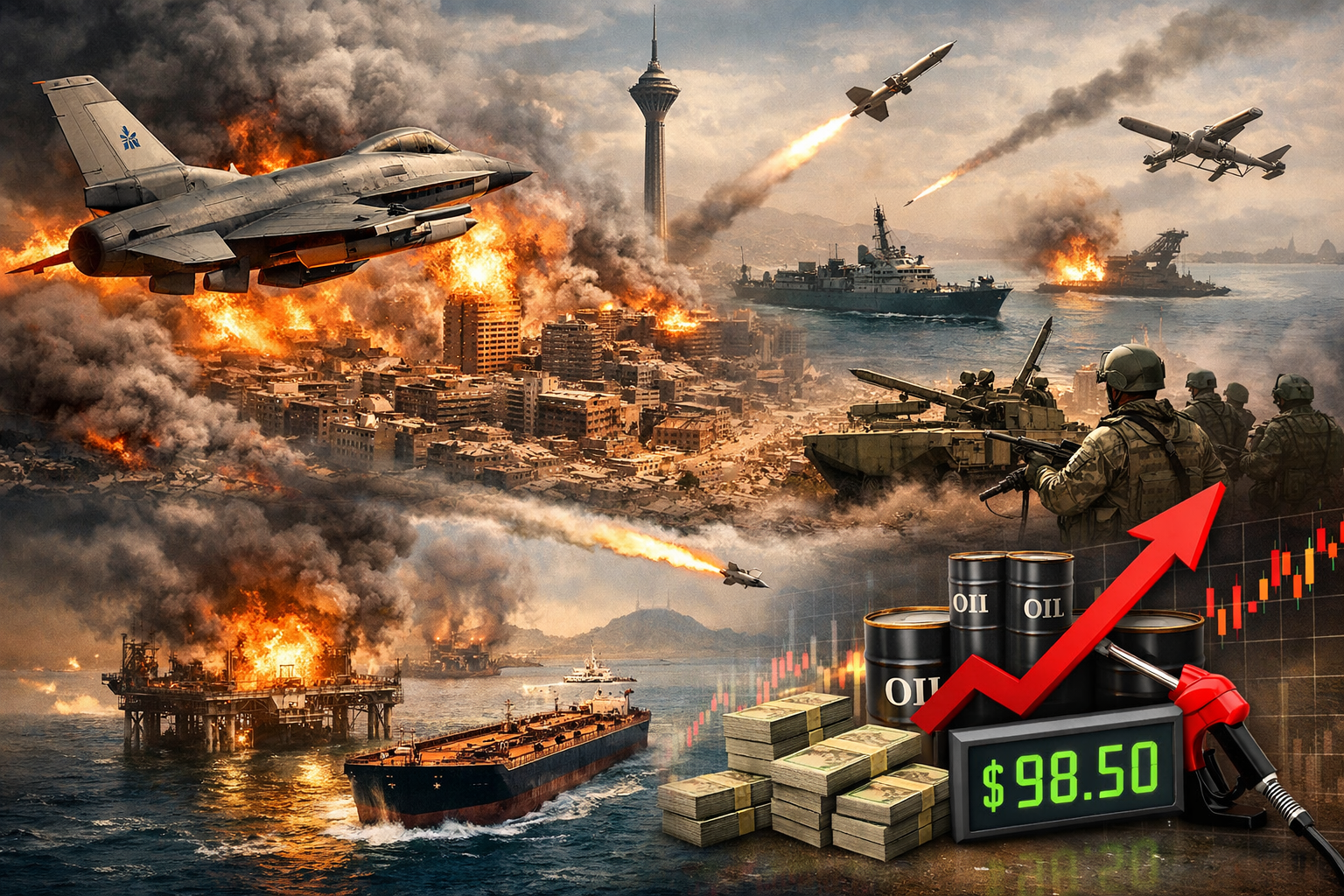
Israel carried out military strikes in Tehran, while Iran responded with attacks across Gulf regions. Rising tensions near the Strait of Hormuz have also pushed global oil prices upward.
Airstrikes by Israel targeted areas in Tehran as Iran launched counter-attacks across the Gulf, increasing instability and causing oil prices to rise due to concerns about the Strait of Hormuz.
Situation Inside Iran
New Supreme Leader’s Warning:
Iran’s recently appointed Supreme Leader, Mojtaba Khamenei, who assumed leadership after the reported assassination of his father last week, has delivered his first public message. In his statement, he warned that military actions targeting Israel and U.S. facilities in the Middle East will continue unless American military bases operating in the region are shut down.
Intense Attacks on Tehran:
Iran
Israeli forces have carried out another large wave of airstrikes targeting Iran’s capital city, Tehran. Reports indicate that multiple explosions were heard across the city, and large clouds of smoke were seen rising over several areas early Friday morning.
Strait of Hormuz Blockage
Strait of Hormuz Blockage and Rising Oil Prices:
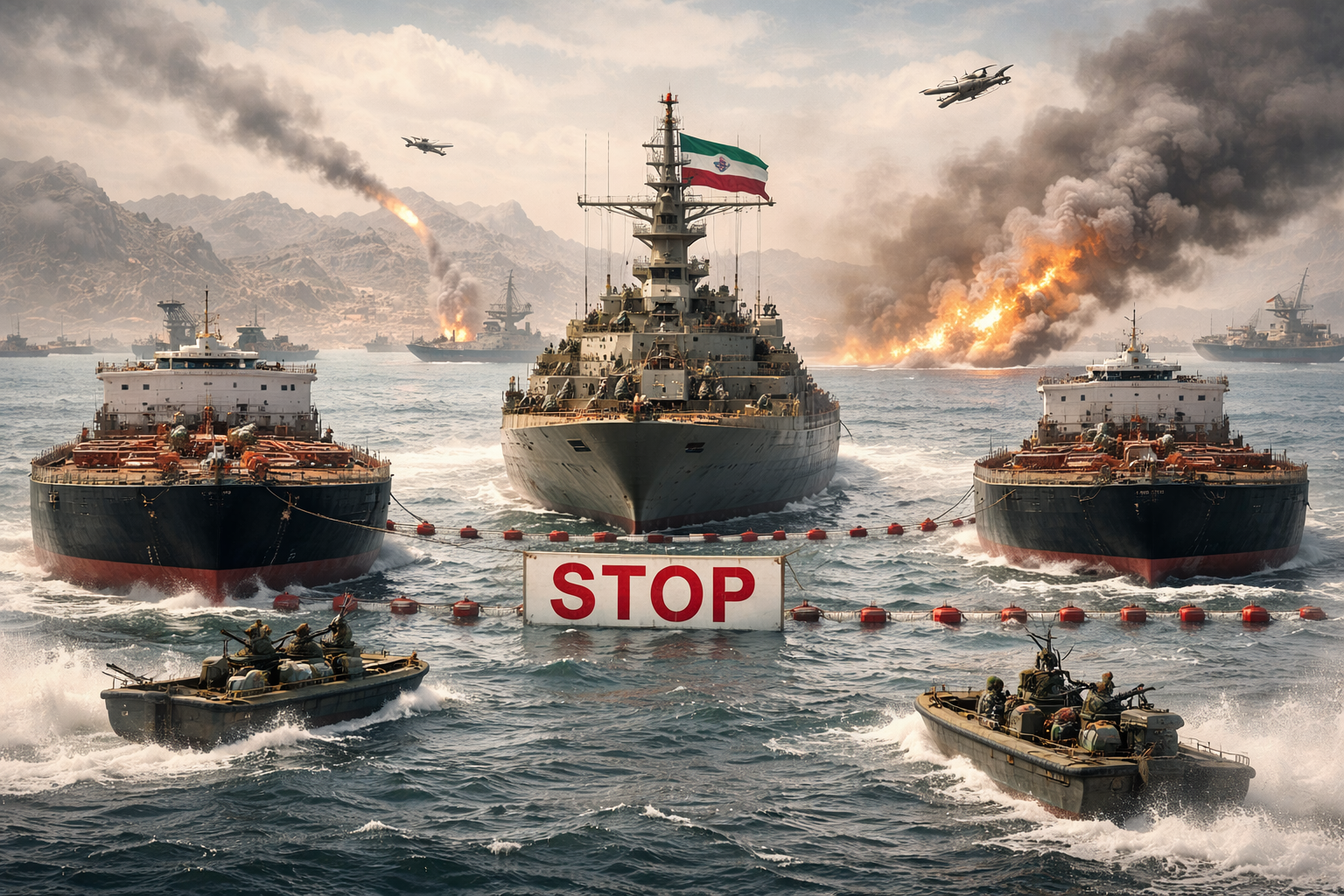
The Strait of Hormuz, a vital maritime route connecting the Persian Gulf to the Gulf of Oman, has reportedly been closed. This development has pushed global oil prices sharply upward, with Brent crude surpassing $100 per barrel. The narrow waterway lies partly within the territorial waters of Iran and Oman and serves as the primary shipping route for Gulf oil and gas exports. Iranian authorities stated that the strait is currently under their control and that ships connected to the United States or Israel will not be allowed to pass, while other vessels must obtain Iranian approval before entering.
Civilian Casualties Reported:
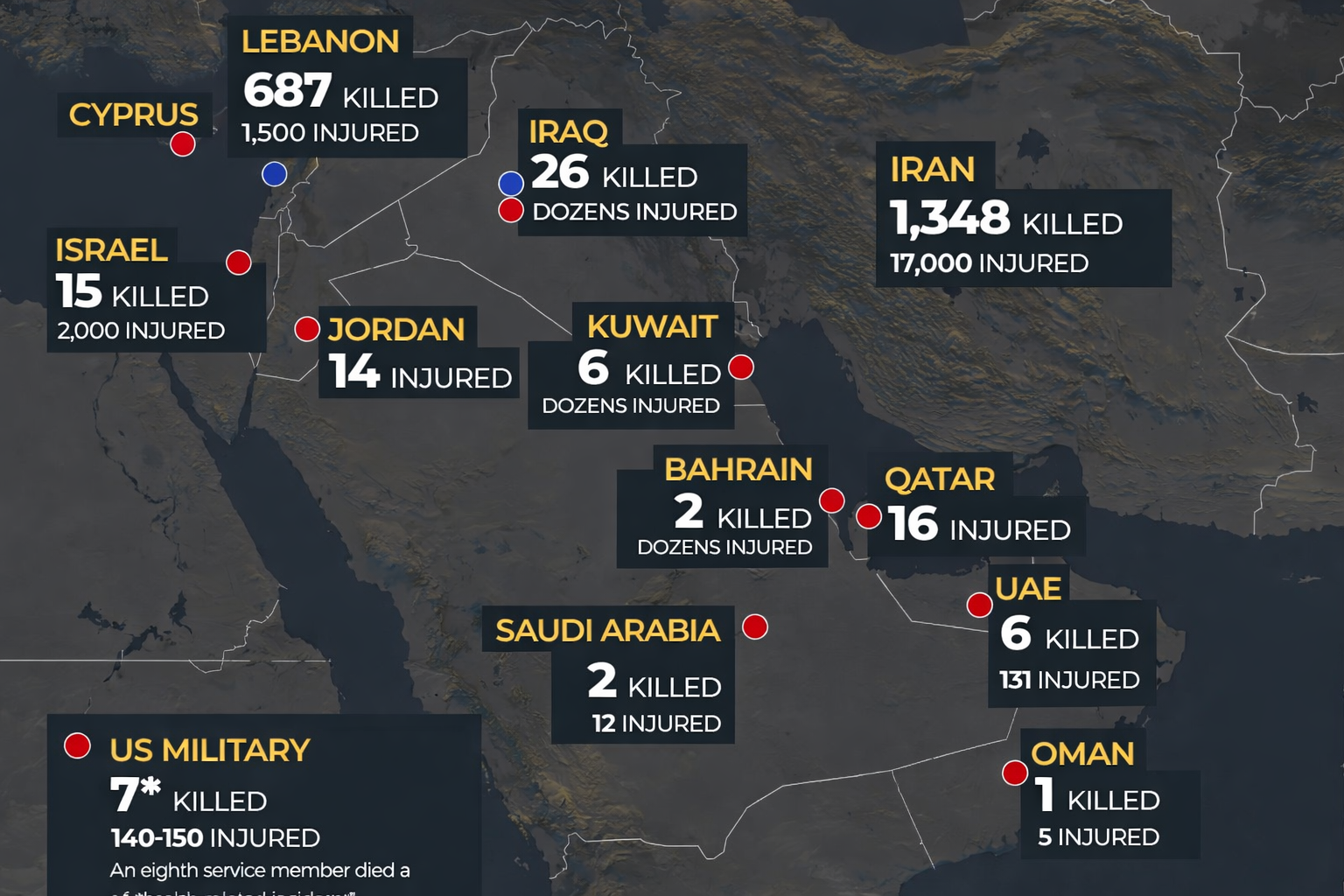
According to Iran’s ambassador to the United Nations, Amir Saeid Iravani, the conflict has resulted in significant civilian losses. He reported that at least 1,348 civilians have died, with victims ranging from infants to elderly individuals.
Evacuations:
Australia has instructed its non-essential diplomatic staff to leave the United Arab Emirates and Israel. The government has also advised Australian citizens in the Middle East to consider leaving the region while travel routes remain available and safe.
Qatar’s Response:
Qatar has temporarily closed its airspace due to security concerns. At the same time, Qatar Airways has arranged more than 140 special flights to assist residents and citizens who are trying to return home.
Trump says conflict is progressing quickly:
U.S. President Donald Trump told reporters that the military campaign involving Iran is advancing at a fast pace. Speaking at the White House, he stated that the United States military is performing strongly and remains one of the most capable forces in the world. However, he did not directly address the recent remarks made by Iran’s newly appointed supreme leader.
Growing domestic criticism:
Within the United States, opposition to the war is increasing. More than 250 American organisations have reportedly signed a joint letter urging Congress to stop funding the conflict. The groups claim that the $11.3 billion spent during the first six days of the fighting could instead be used to support important domestic programs, including food assistance and social welfare initiatives.
In Israel
New missile attacks reported:
Early Friday, Israeli defense officials announced that Iran had launched another series of missiles toward Israel. Authorities warned residents in potentially affected regions to immediately move to designated shelters as a safety precaution.
Israeli strikes on Basij positions:
The Israeli military reported carrying out airstrikes against checkpoints operated by the Basij, a paramilitary group linked to Iran’s Revolutionary Guard. According to officials, these strikes were aimed at weakening the government’s control and security presence in Tehran.
In Lebanon and Iraq
US aircraft crash in Iraq:
A US KC-135 refuelling aircraft crashed in western Iraq. A group known as the Islamic Resistance in Iraq claimed responsibility, stating that their air-defence systems shot the plane down. However, US Central Command (CENTCOM) reported that the aircraft went down within friendly territory and said there was no evidence that enemy fire caused the crash.
Port operations halted in Iraq:
Iraqi authorities temporarily suspended activities at one of the country’s ports after an attack on a US-owned oil tanker in Iraqi waters. During the incident, an Indian crew member lost his life, leading officials to close port operations for security reasons.
French soldiers injured in drone strike:
Six French military personnel were wounded in a drone attack in Erbil, located in Iraq’s autonomous Kurdish region. French President Emmanuel Macron confirmed the injuries and condemned the attack.
Ongoing strikes in southern Lebanon:
Israeli airstrikes have continued across towns and villages in southern Lebanon. One of the attacks targeted the village of Arki near Sidon, where nine people were reportedly killed, including several children.
Rising casualties and displacement:
Lebanese authorities stated that at least 687 people have died in Israeli attacks across Lebanon since the beginning of the week, including many children. The heavy bombardment has also forced hundreds of thousands of residents—estimated between 700,000 and 750,000 people—to leave their homes and seek safety elsewhere.
